

PROJECT SUMMARY | M-BOX SMART CONTROLLER
PROJECT SUMMARY | M-BOX SMART CONTROLLER
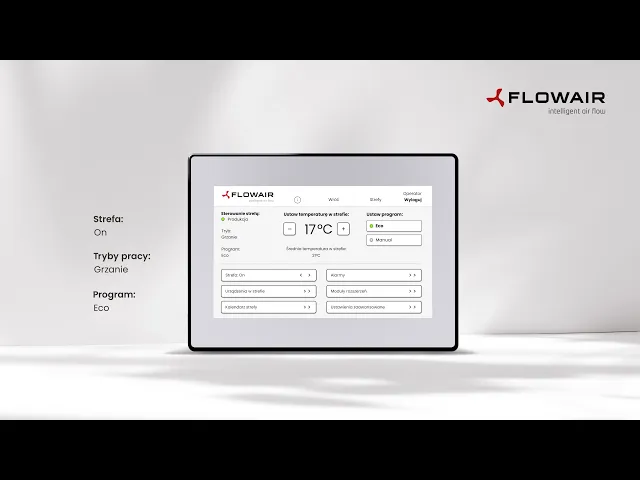
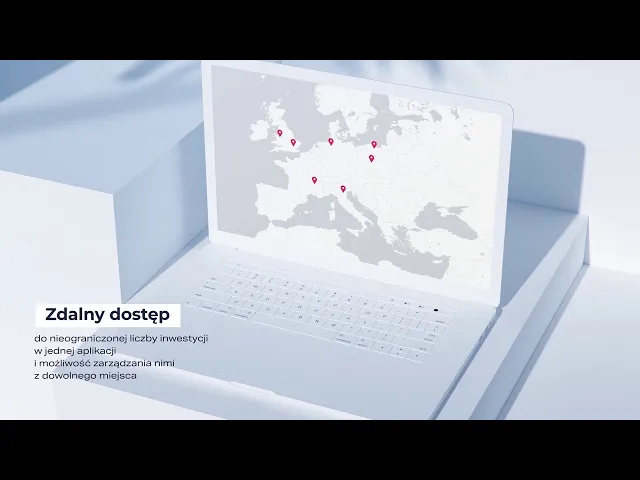
M-Box is a modern solution built for those who demand the highest level of safety, complete system control, and hassle-free HVAC management — purpose-designed for the industrial sector, from medium to large-volume industrial and warehouse facilities. The first plug-and-play solution of its kind in the industry, it simplifies system commissioning from the very first connection. Once connected, the system automatically detects all devices and configures the optimal parameters for each one, eliminating complex manual setup. Real-time alarm notifications are delivered directly to administrators and service technicians, enabling faster fault detection, remote diagnostics and efficient troubleshooting.
M-Box is a modern solution built for those who demand the highest level of safety, complete system control, and hassle-free HVAC management — purpose-designed for the industrial sector, from medium to large-volume industrial and warehouse facilities.
The first plug-and-play solution of its kind in the industry, it simplifies system commissioning from the very first connection. Once connected, the system automatically detects all devices and configures the optimal parameters for each one, eliminating complex manual setup. Real-time alarm notifications are delivered directly to administrators and service technicians, enabling faster fault detection, remote diagnostics and efficient troubleshooting.
View ➜ Presentation
PRODUCT
HVAC / HMI Smart Controller
HVAC / HMI Smart Controller
ROLE
Team Lead / Product Design / UX / Marketing
Team Lead / Product Design / UX / Marketing
AWARDS
Dobry Wzór 2025 Finalist,
Best Product Launch 2025
Dobry Wzór 2025 Finalist,
Best Product Launch 2025
YEAR
©2019-2025
©2019-2025
ABOUT MY ROLE
In June 2019, FLOWAIR began exploring a new service concept to shape the company’s future direction. One key opportunity was to evolve the SYSTEM FLOWAIR — an HVAC control system launched in 2012 — into a more advanced, connected solution. A 6-day sprint produced the first MVP and a working concept called Cloud. It became a testing ground for validating assumptions, exploring opportunities and defining future of the industry.
My role was to turn this concept into a functional product. Working with the automation team, I defined user needs and functionality, designed the digital experience and UI, and connected technical requirements with customer and business needs.
In 2022, my role expanded beyond design. I built and coordinated a new cross-functional team and maintained product continuity during a period of organisational change.
Although the formal roadmap was temporarily paused, we continued to run bi-weekly sessions with specialists from automation, sales, R&D, service and product management. These sessions kept the product moving, surfaced customer needs and helped us refine the system architecture and scalability requirements. When development resumed in 2023, we already had a strong foundation for defining the system’s parametrisation and expansion capabilities.
In June 2019, FLOWAIR began exploring a new service concept to shape the company’s future direction. One key opportunity was to evolve the SYSTEM FLOWAIR — an HVAC control system launched in 2012 — into a more advanced, connected solution. A 6-day sprint produced the first MVP and a working concept called Cloud. It became a testing ground for validating assumptions, exploring opportunities and defining future of the industry.
My role was to turn this concept into a functional product. Working with the automation team, I defined user needs and functionality, designed the digital experience and UI, and connected technical requirements with customer and business needs.
In 2022, my role expanded beyond design. I built and coordinated a new cross-functional team and maintained product continuity during a period of organisational change.
Although the formal roadmap was temporarily paused, we continued to run bi-weekly sessions with specialists from automation, sales, R&D, service and product management. These sessions kept the product moving, surfaced customer needs and helped us refine the system architecture and scalability requirements. When development resumed in 2023, we already had a strong foundation for defining the system’s parametrisation and expansion capabilities.
CHALLENGES AND OUTCOME
M-Box was not a typical digital product. It had to operate in demanding industrial environments, where hardware limitations, display resolution, physical conditions and interface reliability directly affected the user experience. The product also had to respond to changing European regulations and strict security requirements. Unauthorised access to system parameters could affect equipment operating on production floors, creating serious operational and financial risks for customers. We also faced a fragmented hardware landscape. To address this, we partnered with a small Polish technology supplier. Our industrial requirements and implementation challenges helped shape and improve the supplier’s product.
The result was M-Box — a new-generation controller extending the capabilities of the SYSTEM FLOWAIR.
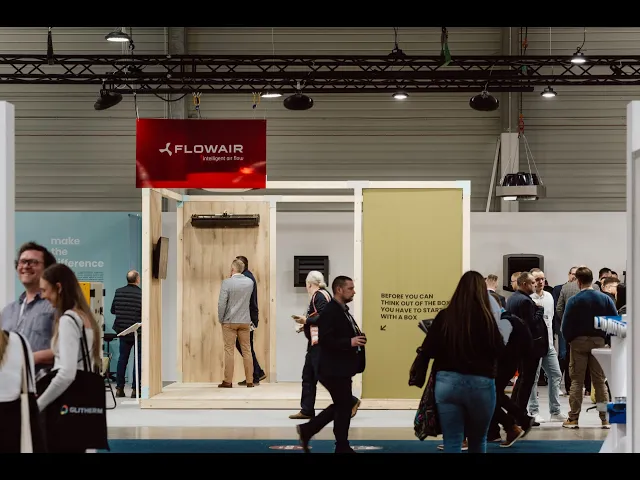
The ready product was presented at a trade show in February 2025, where it received the Best Product Launch of 2025 award. In April, it became part of FLOWAIR’s offer.
At this stage, my focus shifted to market readiness. I prepared technical documentation, user education materials, sales and training materials, advertising communication and launch content. I also supported communication with existing customers and helped transition the product from development to adoption. By April 2025, the target number of controllers had already been included in the engineering projects defined in the original business assumptions. The product had moved beyond concept and was being used in real-world planning and implementation.
M-Box was not a typical digital product. It had to operate in demanding industrial environments, where hardware limitations, display resolution, physical conditions and interface reliability directly affected the user experience. The product also had to respond to changing European regulations and strict security requirements. Unauthorised access to system parameters could affect equipment operating on production floors, creating serious operational and financial risks for customers. We also faced a fragmented hardware landscape. To address this, we partnered with a small Polish technology supplier. Our industrial requirements and implementation challenges helped shape and improve the supplier’s product.
The result was M-Box — a new-generation controller extending the capabilities of the SYSTEM FLOWAIR. The ready product was presented at a trade show in February 2025, where it received the Best Product Launch of 2025 award. In April, it became part of FLOWAIR’s offer.
At this stage, my focus shifted to market readiness. I prepared technical documentation, user education materials, sales and training materials, advertising communication and launch content. I also supported communication with existing customers and helped transition the product from development to adoption. By April 2025, the target number of controllers had already been included in the engineering projects defined in the original business assumptions. The product had moved beyond concept and was being used in real-world planning and implementation.
PRODUCT DEVELOPMENT
With my team, I defined the controller’s core functionalities and shaped the product concept around complex technical requirements, user needs and industrial constraints. I led cross-functional collaboration across engineering, R&D, product and business teams, taking the product from concept through development to market launch.
Back to Projects

More…
More…
More projects


